
How To Perfect Your Hand Washing Technique
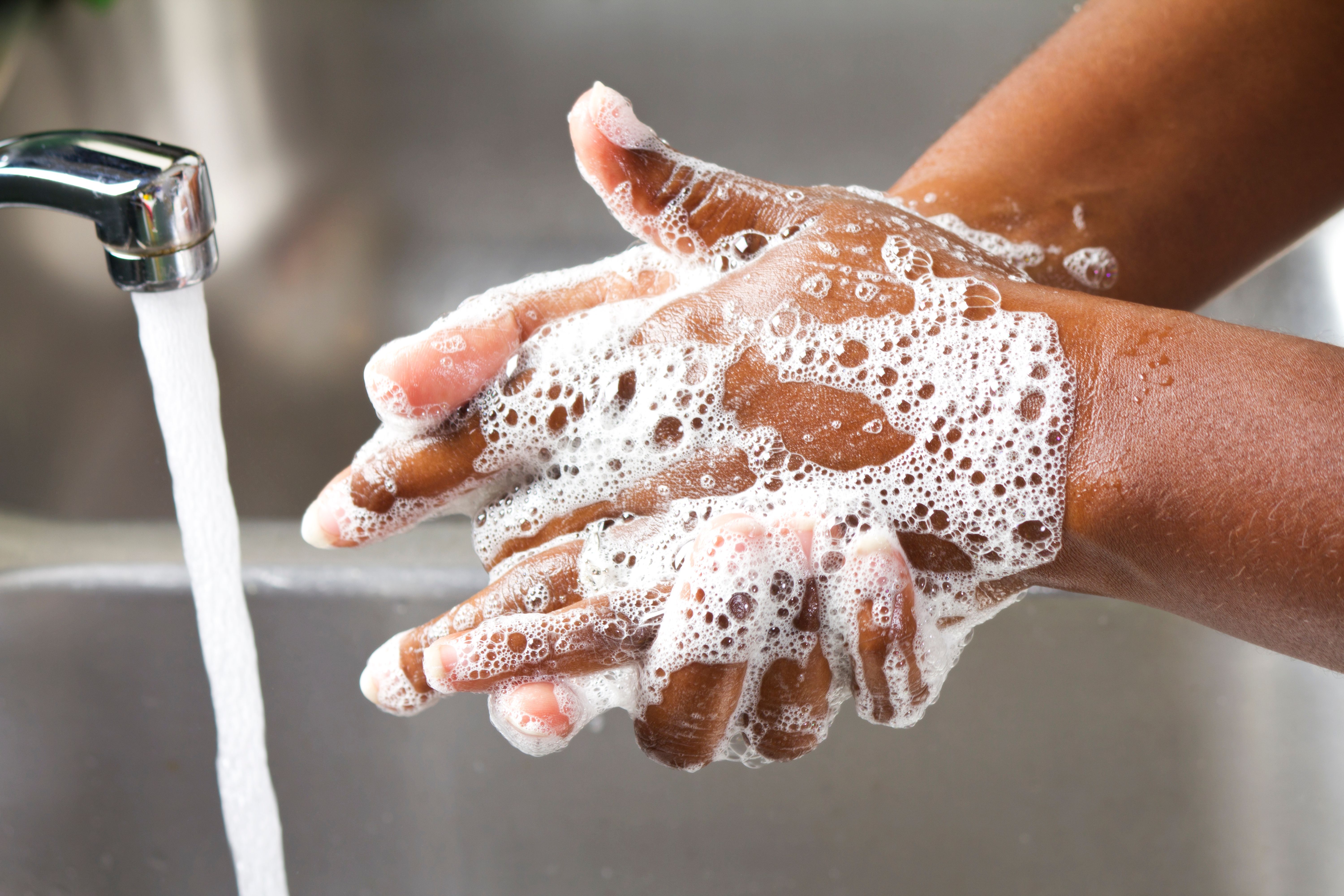
Hand hygiene isn’t just a personal habit; it is a vital part of keeping your family, colleagues and community healthy. In fact, failing to wash your hands properly is one of the leading causes of germs spreading, illnesses developing and businesses or schools facing avoidable hygiene issues.
Worried that you or your children aren’t washing your hands correctly or for long enough? With the right techniques and timing, anyone can perfect their hand washing routine and reduce the risk of infection. This comprehensive guide will walk you through proper hand washing techniques, explain how long you should wash your hands for and share practical tips to encourage consistent hand hygiene across all ages.
Why Hand Washing is Important for Everyone
Proper hand hygiene is essential for preventing the spread of bacteria and viruses. Washing hands regularly reduces the risk of illnesses such as gastrointestinal infections, colds and respiratory conditions. Children are particularly vulnerable to germs, especially in schools and play areas where close contact is common. In workplaces and public spaces, consistent hand washing helps limit outbreaks and keeps everyone safer. Following correct hand washing techniques and washing for the recommended time ensures germs are removed effectively and reduces the chance of infection.
When to Wash Your Hands
Washing hands at the right times is just as important as washing them correctly. Regular hand hygiene helps stop the spread of germs in everyday situations.
Key times to wash your hands include:
- Before eating or preparing food
- After using the toilet
- After coughing, sneezing or blowing your nose
- After touching public surfaces such as door handles or handrails
- After handling animals or animal waste
- After changing nappies or helping children with personal care
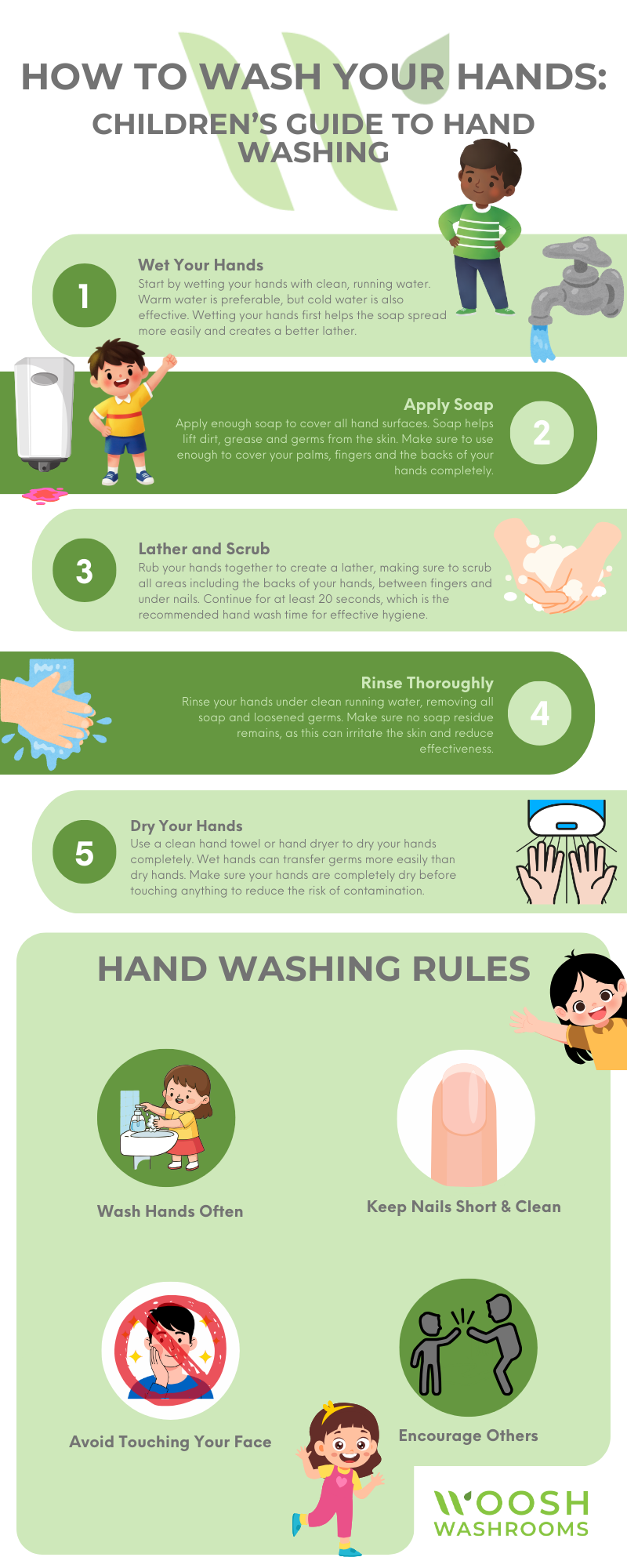
Step-by-Step Hand Washing Guide
Following the correct hand washing steps ensures that germs are removed effectively. Each step should be performed thoroughly, with the total hand wash time taking around 20 seconds.
Step 1: Wet Your Hands
Start by wetting your hands with clean, running water. Warm water is preferable, but cold water is also effective. Wetting your hands first helps the soap spread more easily and creates a better lather.
Step 2: Apply Soap
Apply enough soap to cover all hand surfaces. Soap helps lift dirt, grease and germs from the skin. Make sure to use enough to cover your palms, fingers and the backs of your hands completely.
Step 3: Lather and Scrub
Rub your hands together to create a lather, making sure to scrub all areas including the backs of your hands, between fingers and under nails. Continue for at least 20 seconds, which is the recommended hand wash time for effective hygiene. Pay attention to areas that are often missed, such as thumbs and fingertips.
Step 4: Rinse Thoroughly
Rinse your hands under clean running water, removing all soap and loosened germs. Make sure no soap residue remains, as this can irritate the skin and reduce effectiveness.
Step 5: Dry Your Hands
Use a clean hand towel or hand dryer to dry your hands completely. Wet hands can transfer germs more easily than dry hands. Make sure your hands are completely dry before touching anything to reduce the risk of contamination.
When to Use Hand Sanitiser
Hand sanitiser is a useful alternative when soap and water are not available. It can quickly reduce the number of germs on your hands and is especially convenient when you are on the go. Sanitiser should be used in situations such as after touching public surfaces, before eating if washing facilities are not nearby, or after coughing or sneezing. While hand sanitiser is effective against many germs, it does not remove dirt, grease or some harmful bacteria, so it should not replace proper hand washing.
Choose an alcohol-based sanitiser with at least 60% alcohol to ensure the best germ-killing results. Regular use of hand sanitiser can support overall hand hygiene, but combining it with correct hand washing and observing recommended hand wash time remains the most effective approach.
Hand Washing: Do’s and Don’ts
Understanding what to do and what to avoid when washing your hands helps ensure germs are removed properly and consistently. Small mistakes can reduce the effectiveness of even regular hand washing.
Do’s
- Wash your hands with soap and water whenever possible
- Follow proper hand washing techniques every time
- Wash for the recommended hand wash time of around 20 seconds
- Clean all areas of your hands, including between fingers and under nails
- Dry your hands thoroughly using a clean towel or air dryer
Don’ts
- Rush the process or cut the hand wash time short
- Forget commonly missed areas such as thumbs and fingertips
- Rely on hand sanitiser when hands are visibly dirty
- Dry hands on clothing or shared towels
- Skip hand washing after key activities such as using the toilet or handling food
Encouraging Children to Wash Hands
Implementing good hand hygiene from an early age helps children develop habits that last into adulthood. Making hand washing simple, consistent and engaging increases the likelihood that children will wash their hands regularly and correctly.
Clear routines play an important role, especially at key moments such as before meals, after using the toilet and after outdoor play. Visual reminders, such as children’s hand washing posters, placed near sinks can reinforce expectations and help children remember each step of the hand washing process.
Turning hand washing into a positive experience can also improve consistency. Using songs, simple timers or reward charts helps children understand how long they should wash their hands for while keeping the process engaging. Consistent encouragement from parents, teachers and carers ensures hand washing becomes a natural part of daily routines rather than a task to avoid.
Why Choose Woosh Washrooms?
Maintaining good hand hygiene relies on having the right supplies in place. From schools and offices to hospitality venues and public spaces, access to reliable washroom products supports consistent hand washing and helps create cleaner, safer environments.
Woosh Washrooms provides a wide range of high-quality washroom supplies designed to support proper hand washing and hygiene standards. This includes soap dispensers, hand soap, paper towels, air fresheners and other essential products that help encourage regular hand washing and support the recommended hand wash time.
With a focus on reliability, ease of use and compliance, Woosh Washrooms helps businesses, schools and organisations maintain high hygiene standards with confidence. Our solutions are designed to be practical, cost-effective and suitable for a wide range of environments, making it easier to support good hand hygiene every day.
Key Takeaways for Proper Hand Washing Techniques
- Effective hand washing plays a crucial role in reducing the spread of bacteria and viruses in everyday environments
- Washing hands at key moments, such as before eating and after using the toilet, helps prevent avoidable illness
- Proper hand washing techniques ensure all areas of the hands are cleaned, including commonly missed spots
- The recommended hand wash time is around 20 seconds for effective hygiene
- Drying hands thoroughly is an essential final step, as wet hands spread germs more easily
- Hand sanitiser is a useful alternative when soap and water are unavailable, but it should not replace proper hand washing
- Children need clear routines, visual prompts and consistent encouragement to build strong hand hygiene habits
- Schools, workplaces and public venues benefit from having reliable washroom supplies readily available
- Quality soap, dispensers and drying facilities support better hand hygiene and compliance
- Investing in the right washroom solutions helps create cleaner, safer environments for everyone
FAQs
How long should you wash your hands for?
Hands should be washed for at least 20 seconds to ensure germs are removed effectively. This recommended hand wash time allows soap and friction to reach all areas of the hands, including between fingers, under nails and the backs of hands. Timing your hand washing with a simple song or counting to 20 can help make this easier, especially for children.
What is the most important rule of hand washing?
The most important rule of hand washing is to cover all hand surfaces thoroughly with soap and scrub for the full recommended time. Focusing on technique, including scrubbing fingertips, thumbs and between fingers, ensures germs are removed rather than simply spread around. Correct hand washing is more effective than rushing through the process or using insufficient soap.
What’s the difference between cleaning and sanitising?
Cleaning removes visible dirt, grease and debris from the hands, while sanitising reduces the number of germs but does not remove dirt. Hand washing with soap and water is the most effective way to clean and remove germs, whereas alcohol-based hand sanitiser is useful when washing facilities are unavailable but should not replace proper hand washing. Combining both approaches helps maintain consistent hand hygiene in a variety of situations.
Maintain Excellent Hand Hygiene with Woosh Washrooms
Proper hand washing is essential for protecting yourself, your family and your workplace from germs and infection. Following the recommended hand wash time, using correct techniques and encouraging consistent hygiene habits for children can make a significant difference in everyday health.
Woosh Washrooms provides high-quality washroom supplies, including soap, dispensers and drying solutions, to help businesses, schools and public spaces maintain excellent hand hygiene standards. Explore our full range of products to create a cleaner, safer environment and support consistent hand washing across your facilities.
Related Articles
- Practising Good Personal Hygiene in the Workplace
- Your Ultimate Guide to Commercial Hygiene
- Fact or Myth: Unveiling the Truth About Hygiene