
Hospital Hygiene Guidelines in the UK
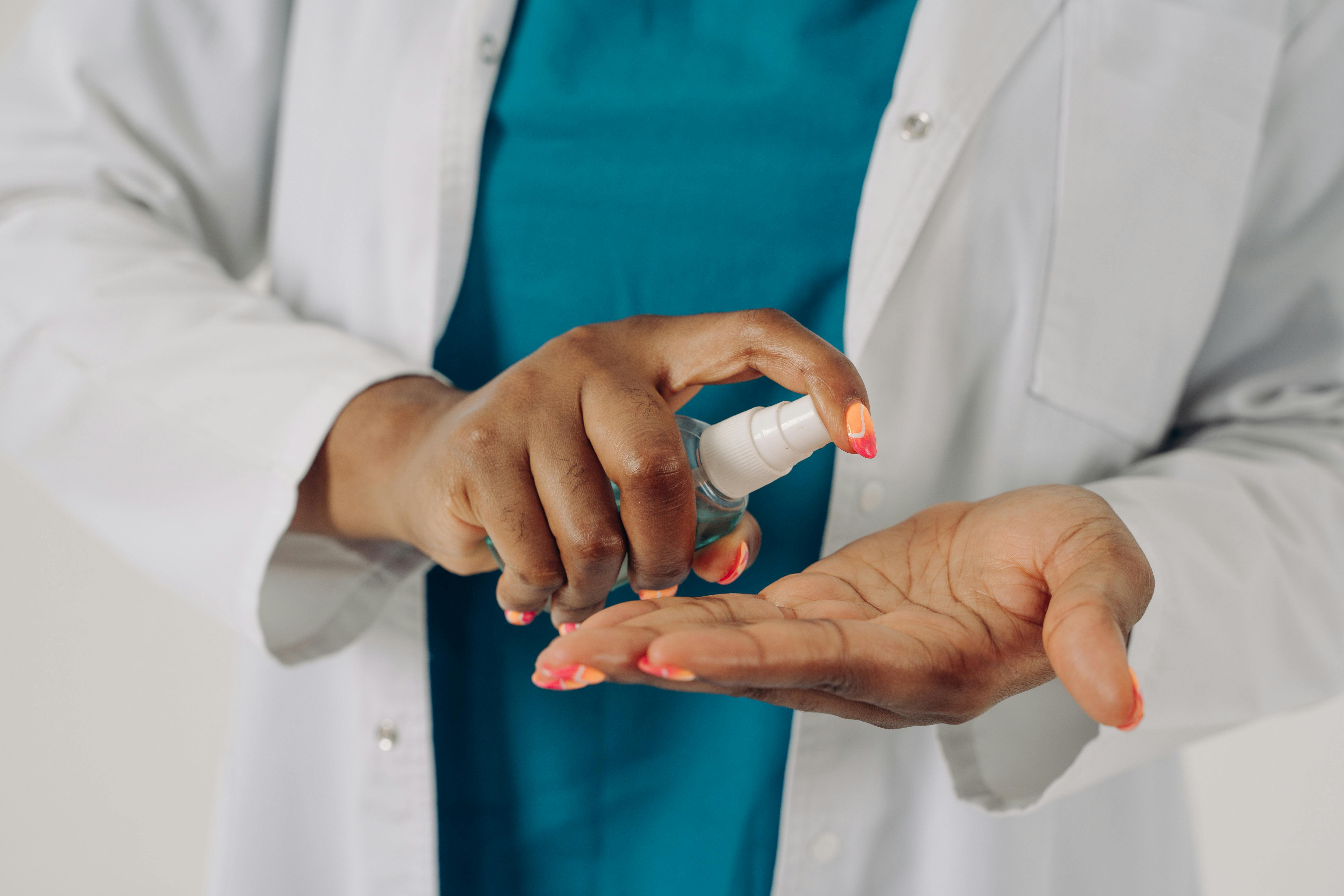
Hospital hygiene standards are critical for patient safety, infection prevention, and maintaining a high standard of hospital care across the UK. Hospital administrators, healthcare professionals, and facilities managers must understand hospital sanitation guidelines and patient hygiene in hospitals to ensure consistent hospital sanitation and a high standard of hospital care. In this guide, we explore essential practices, helping facilities maintain exemplary hospital hygiene throughout the UK.
Contents:
- The UK Regulatory and Governance Framework
- Core Infection Prevention and Control (IPC) Principles
- Environmental Cleaning and Disinfection
- Staff Hygiene and Professional Standards
- Patient Area, Equipment, and Linen Hygiene
- Waste and Sharps Management
- Visitor Hygiene Measures
- Outbreak Management and Response
- Why Woosh Washrooms?
The UK Regulatory and Governance Framework
Hospitals in the UK operate under a framework of regulations and governance structures that define hygiene standards and ensure patient safety. These rules set clear expectations for hospital sanitation, staff responsibilities, and the standard of hospital care that patients should receive.
National Standards and Guidance
UK hospitals must comply with the Health and Social Care Act 2008 Hygiene Code, which sets legal obligations for cleanliness, infection prevention and risk management. They also follow detailed UKHSA guidance on infection control practices, including hand hygiene, surface cleaning, and outbreak management, while meeting CQC cleanliness requirements through regular audits, staff training and documented hygiene protocols to maintain safe and sanitary hospital environments.
Hospital Responsibilities
Healthcare providers are responsible for enforcing comprehensive hygiene procedures across all areas of the hospital, including patient wards, operating theatres and communal spaces. This involves appointing dedicated infection prevention and control (IPC) teams, conducting risk assessments, monitoring compliance, training staff on best practices, and ensuring that hospital sanitation standards and patient hygiene in hospitals meet national requirements.
Core Infection Prevention and Control (IPC) Principles
Effective infection prevention and control is at the heart of hospital hygiene, guiding practices that protect patients and staff and ensure the standard of hospital care is consistently met.
Standard Precautions
Maintaining hospital hygiene standards begins with standard precautions, which include consistent hand hygiene, correct use of PPE, respiratory etiquette, and adherence to hospital sanitation guidelines to protect both patients and staff. These practices are fundamental for patient hygiene in hospitals and support the overall standard of hospital care.
Transmission-Based Precautions
For specific infections, additional transmission-based precautions are implemented, such as isolation, cohorting, and enhanced protective measures, ensuring hospital sanitation protocols are rigorously followed and patient hygiene in hospitals is maintained at the highest standard.
Environmental Cleaning and Disinfection
Maintaining a clean and sanitised hospital environment is essential for preventing infections and ensuring patient safety, with proper cleaning practices forming the backbone of hospital hygiene standards.
Routine and Enhanced Cleaning
Hospitals must follow daily cleaning schedules and implement enhanced cleaning in high-risk areas or during outbreaks to maintain effective hospital sanitation and meet hospital hygiene standards.
Cleaning Methods and Materials
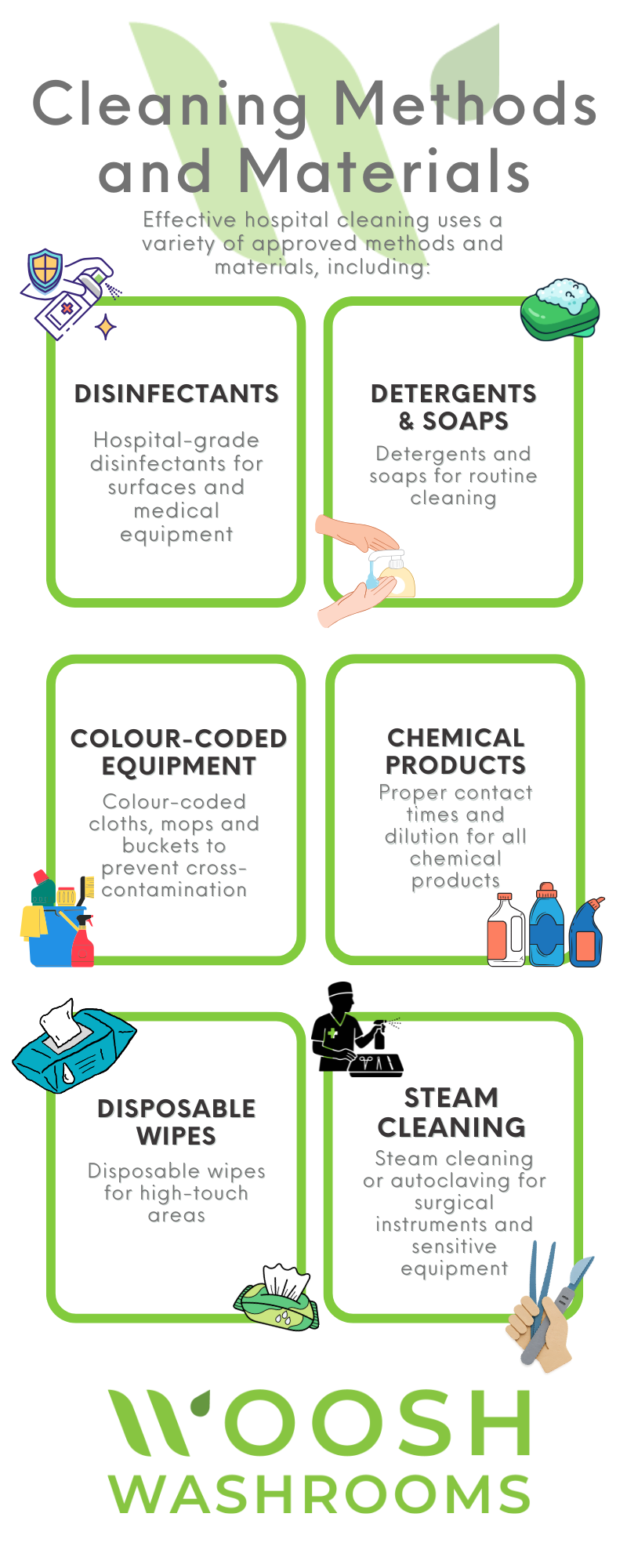
Effective hospital cleaning uses a variety of approved methods and materials, including:
- Hospital-grade disinfectants for surfaces and medical equipment
- Detergents and soaps for routine cleaning
- Colour-coded cloths, mops and buckets to prevent cross-contamination
- Proper contact times and dilution for all chemical products
- Disposable wipes for high-touch areas
- Steam cleaning or autoclaving for surgical instruments and sensitive equipment
Environmental Monitoring
Regular audits, visual inspections and environmental testing ensure hospital sanitation guidelines are consistently applied, identifying any lapses in cleaning or hygiene practices. Immediate corrective actions are taken to address issues such as surface contamination, improper disinfectant use or missed high-touch areas, helping to maintain patient hygiene in hospitals and uphold the overall standard of hospital care.
Staff Hygiene and Professional Standards
Dress-Code Policies
Healthcare staff are expected to follow dress-code policies that support good hand and arm hygiene and reduce infection risk. Key elements include:
- Bare below the elbows
- Clean, professional uniforms
- Minimal jewellery
- Closed-toe shoes
- Hair tied back or covered where necessary
Training and Competency
Ongoing hygiene training ensures that all staff understand and correctly follow infection control procedures, reinforcing hospital hygiene standards and maintaining the standard of hospital care. Training includes practical demonstrations of hand hygiene, correct PPE use, cleaning protocols, outbreak response procedures, and regular assessments to ensure competence.
Staff are also updated on changes to hospital sanitation guidelines, patient hygiene in hospitals best practices, and emerging infection control techniques to maintain a safe and hygienic environment for patients and staff.
Patient Area, Equipment, and Linen Hygiene
High-Touch Areas
High-touch surfaces, such as bed rails, door handles, call bells, and medical equipment controls, require frequent cleaning because they are common transmission points for harmful microorganisms. Regular cleaning following hospital sanitation guidelines is essential to reduce the risk of healthcare-associated infections and maintain patient hygiene in hospitals.
Equipment Decontamination
Reusable medical equipment must be thoroughly decontaminated after each use following manufacturer instructions and IPC guidance. Proper disinfection, sterilisation where necessary, and documentation of cleaning procedures help ensure that the standard of hospital care is upheld and prevent cross-contamination between patients.
Laundry and Linen Management
Hospital linen should be handled, transported and washed using strict processes to prevent cross-infection. This includes segregating contaminated linen, using appropriate laundry detergents and temperatures, and ensuring staff follow hygiene protocols during collection, transport and storage to maintain hospital hygiene standards and protect patient safety.
Waste and Sharps Management
Proper disposal of hospital waste is a crucial aspect of maintaining hygiene standards and preventing infection, requiring diligent management by trained staff. Clinical waste is collected in colour-coded Euro bins to separate general, hazardous and infectious materials, while sharps must be safely placed in approved sharps bins to prevent needle-stick injuries.
Staff are also responsible for the careful disposal of swabs and dressings according to hospital sanitation guidelines. This includes monitoring waste storage areas, ensuring timely collection and transport, and auditing compliance to safeguard patient hygiene in hospitals and uphold the overall standard of hospital care.
Visitor Hygiene Measures
Maintaining high hygiene standards extends to all visitors, who play a key role in protecting patients and supporting hospital sanitation. Clear guidance and careful management by staff ensure that patient hygiene in hospitals and overall hospital hygiene standards are maintained.
Visitors should follow hygiene protocols, including:
- Thorough hand cleansing before and after visiting patients
- Wearing personal protective equipment (PPE) where required
- Following signage and instructions within wards and clinical areas
Staff monitor visitor compliance, provide guidance when necessary, and may restrict access to certain wards or areas during outbreaks or in high-risk zones. This structured approach ensures that hospital hygiene standards are upheld, reduces the risk of infection, and maintains the standard of hospital care.
Outbreak Management and Response
Effective outbreak management is crucial for controlling infections and safeguarding patient hygiene in hospitals. Hospitals rely on vigilant monitoring and proactive measures to reduce the spread of disease.
Early Detection
Continuous surveillance, routine screening, and prompt reporting help identify infections early, allowing staff to act quickly before outbreaks escalate. Early detection also involves monitoring patient symptoms, laboratory results, and infection trends across wards.
Control Measures
Once an outbreak is detected, hospitals implement control measures such as isolating affected patients, cohorting staff, enhancing cleaning in high-risk areas, and ensuring strict adherence to PPE protocols. Clear communication and co-ordinated staff management are essential to contain infections effectively.
Post-Outbreak Decontamination
After an outbreak, thorough terminal cleaning and disinfection of affected areas are conducted. This includes sanitising surfaces, equipment, and communal spaces to eliminate pathogens, verifying compliance with hospital sanitation guidelines, and ensuring the environment is safe before returning to normal operations.
Why Woosh Washrooms?
Woosh Washrooms provides dependable, high-quality washroom solutions that help hospitals maintain hygiene standards. Key benefits include:
- Reliable and consistent supply of washroom essentials
- Products that support hospital sanitation guidelines and patient hygiene in hospitals
- Easy integration with existing cleaning and maintenance routines
- Solutions designed to uphold the standard of hospital care throughout the facility
Key Takeaways for Hospital Hygiene Standards
- Hospital hygiene standards are essential for patient safety, infection prevention, and maintaining the overall standard of hospital care.
- Compliance with UK regulations, including the Health and Social Care Act 2008 Hygiene Code, UKHSA guidance, and CQC requirements, ensures safe hospital environments.
- Core infection prevention principles include standard and transmission-based precautions to protect patients and staff.
- Environmental cleaning and disinfection, including routine and enhanced cleaning, proper methods, materials, and monitoring, is critical for effective hospital sanitation.
- Staff hygiene, professional standards, dress-code, and ongoing training are fundamental to maintaining hospital hygiene standards and patient hygiene in hospitals.
- Proper management of patient areas, medical equipment, linen, waste, sharps, and visitor hygiene supports infection prevention.
- Effective outbreak management involves early detection, control measures, and post-outbreak decontamination.
- Partnering with suppliers like Woosh Washrooms can enhance hygiene practices, compliance, and the overall standard of hospital care.
FAQs
What are the guidelines for hospital hygiene?
Hospital hygiene guidelines are a comprehensive set of procedures aimed at preventing infections and ensuring a safe environment for both patients and staff. They cover compliance with UK regulations, routine cleaning and disinfection, staff hygiene protocols, patient care practices, proper waste management, and visitor hygiene. Following these guidelines helps hospitals maintain high hygiene standards and reduce the risk of healthcare-associated infections.
What is the NHS hygiene code?
The NHS hygiene code, officially the Health and Social Care Act 2008 Code of Practice on the prevention and control of infections, sets out the legal standards hospitals must follow for cleanliness, infection prevention, and risk management. It provides guidance for implementing hand hygiene protocols, environmental cleaning, staff training, safe waste disposal, and patient care procedures, all designed to uphold hospital sanitation and protect patients from infections.
What are the 5 ways to prevent infection in the hospital?
Infection prevention in hospitals relies on several key strategies. First, rigorous hand hygiene is essential for staff, patients, and visitors. Second, the correct use of personal protective equipment, such as gloves, masks, and gowns, reduces transmission risks. Third, environmental cleaning, including routine and enhanced cleaning of patient areas, high-touch surfaces, and medical equipment, is vital. Fourth, proper waste management ensures sharps, swabs, dressings, and clinical waste are safely disposed of using colour-coded systems. Finally, ongoing staff and patient hygiene training reinforces best practices and compliance with hospital sanitation guidelines, helping maintain a safe and hygienic environment throughout the facility.
Elevate Your Hospital Hygiene Strategy with Woosh Washrooms
Maintaining strong hospital hygiene standards is essential for protecting patients and ensuring a safe, compliant healthcare setting. This guide has highlighted the key practices and responsibilities that support effective hospital sanitation and uphold a high standard of care.
For hospitals looking to improve washroom hygiene and streamline essential supplies, Woosh Washrooms offers reliable products and expert support. Explore our services or contact our team for tailored recommendations to help you maintain a cleaner, safer environment.
Related Articles
- Your Ultimate First Aid Box Checklist
- The Safe Disposal of Pharmaceutical Products
- How to Dispose of Clinical Waste (And Where Does It Go?)